
Oops! Something went wrong while submitting the form.
We didn't just read feature pages. We tested each tool across 4 real-world scenarios over 6 weeks:
{{first_name}}, or does it adapt tone, timing, and content based on behavior?Scoring methodology: Each tool rated on a 10-point scale across 7 weighted criteria:
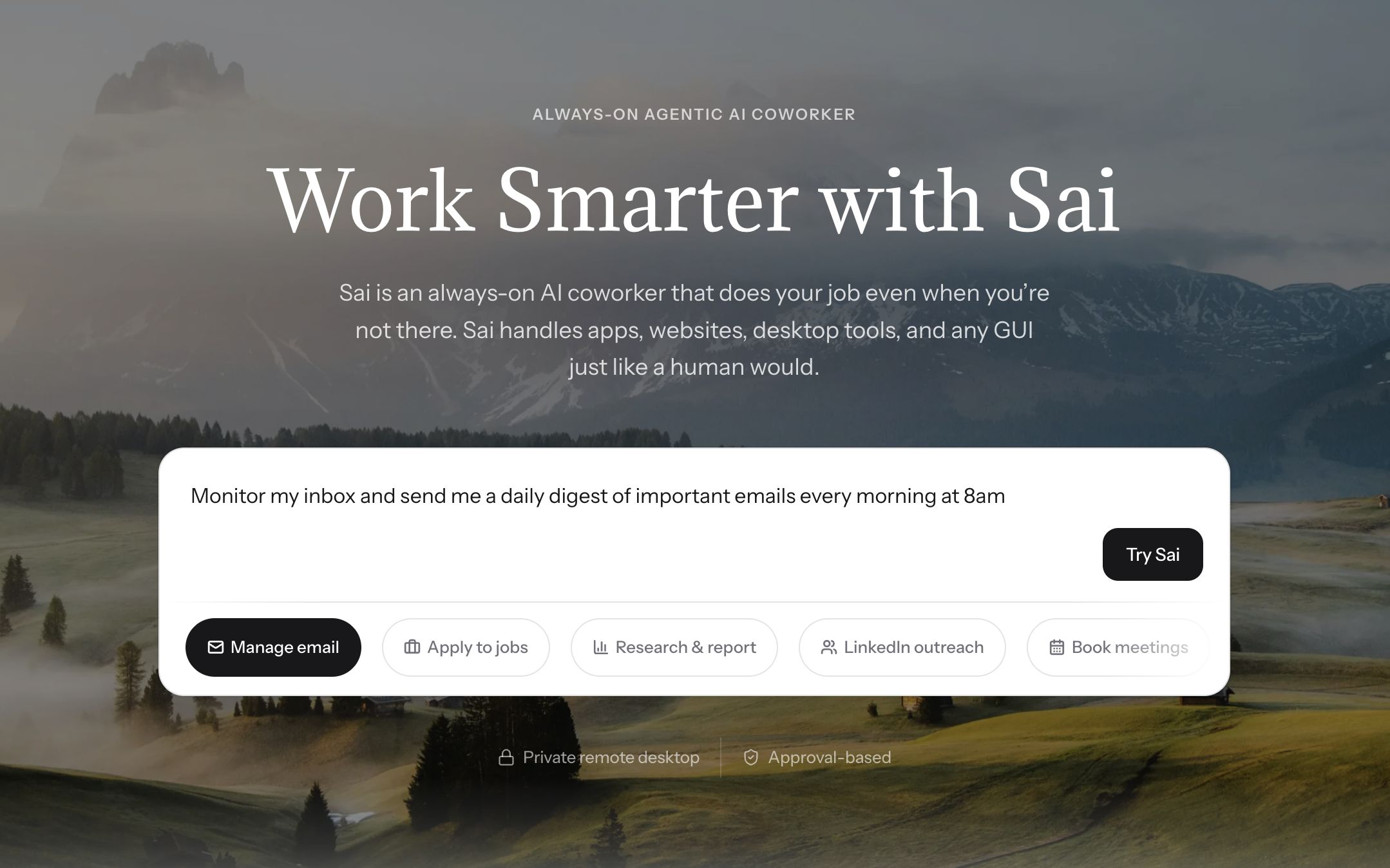
Rating: 9.5/10 | Platform: Desktop (Mac/Windows) | Pricing: Free 7-day trial
What makes Sai different: Every other tool on this list is an email platform -- Sai is an AI agent that sits on your computer and orchestrates email marketing across every app you use. It doesn't replace Mailchimp or HubSpot; it makes them smarter by connecting email to LinkedIn, CRM, calendar, and prospect research in a single automated workflow.

Testing scenario 1 -- Prospect-aware cold outreach: We asked Sai to research 50 prospects using its lead enrichment engine, then draft personalized cold emails referencing each prospect's recent LinkedIn activity and company news. Sai opened LinkedIn, pulled recent posts, checked Crunchbase for funding data, and generated 50 unique emails in under 40 minutes -- each with a specific reference point that no template engine could replicate.
Testing scenario 2 -- Meeting follow-up sequences: After sales calls, we used Sai's email autopilot to generate follow-up emails that referenced specific conversation points from meeting notes. Sai pulled action items from Google Docs, found relevant case studies in Drive, and drafted multi-touch follow-up sequences with different angles per touchpoint.
Testing scenario 3 -- Cross-channel email + LinkedIn: Sai's killer feature: combining email outreach with LinkedIn engagement. For prospects who didn't open an email, Sai automatically engaged with their LinkedIn posts to build familiarity before the next email touch. This cross-channel approach isn't possible with any standalone email marketing tool.
Key strengths:
Limitations:
Best for: Sales teams and founders who need deeply personalized email outreach connected to LinkedIn intelligence, CRM data, and meeting context -- not just batch-and-blast campaigns.
How to Use Sai for AI Email Marketing
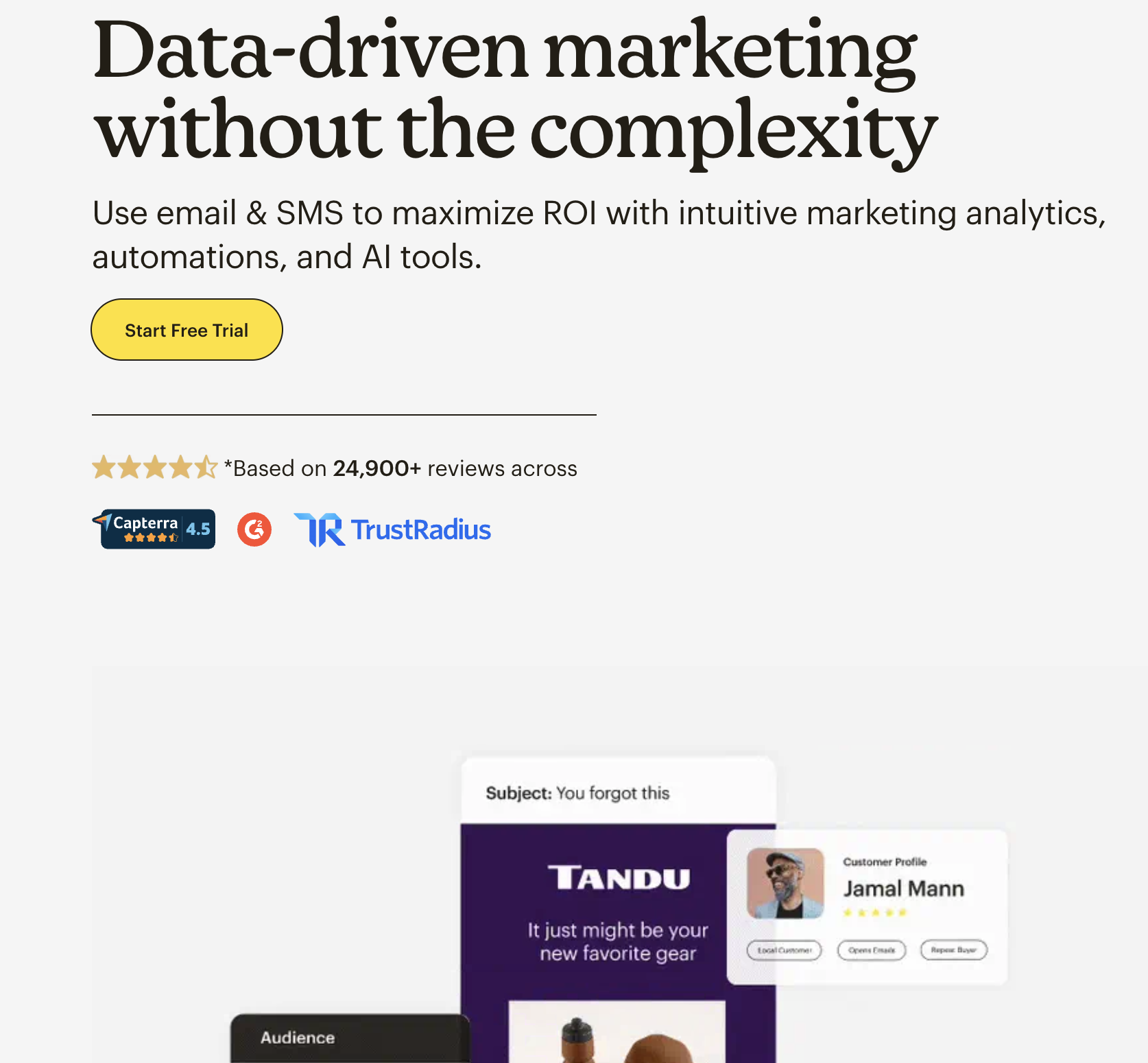
Rating: 8.6/10 | Platform: Web | Pricing: Free (500 contacts) to $13/mo (Standard) to $350/mo (Premium)
What it does well: Mailchimp remains the default starting point for email marketing -- and its AI features have gotten meaningfully better. The AI Content Optimizer analyzes your draft against industry benchmarks and suggests subject lines, send times, and content length adjustments.
Testing scenario -- E-commerce welcome sequence: We built a 5-email welcome sequence for an e-commerce store. Mailchimp's AI suggested optimal send times based on subscriber timezone data and predicted engagement patterns. The Customer Journey Builder let us branch based on purchase behavior -- if someone bought within 48 hours, they got a different follow-up than someone who just browsed.
Key strengths:
Limitations:
Best for: Small businesses and e-commerce brands that want a reliable all-in-one platform with good AI assistance for content optimization and basic automation.
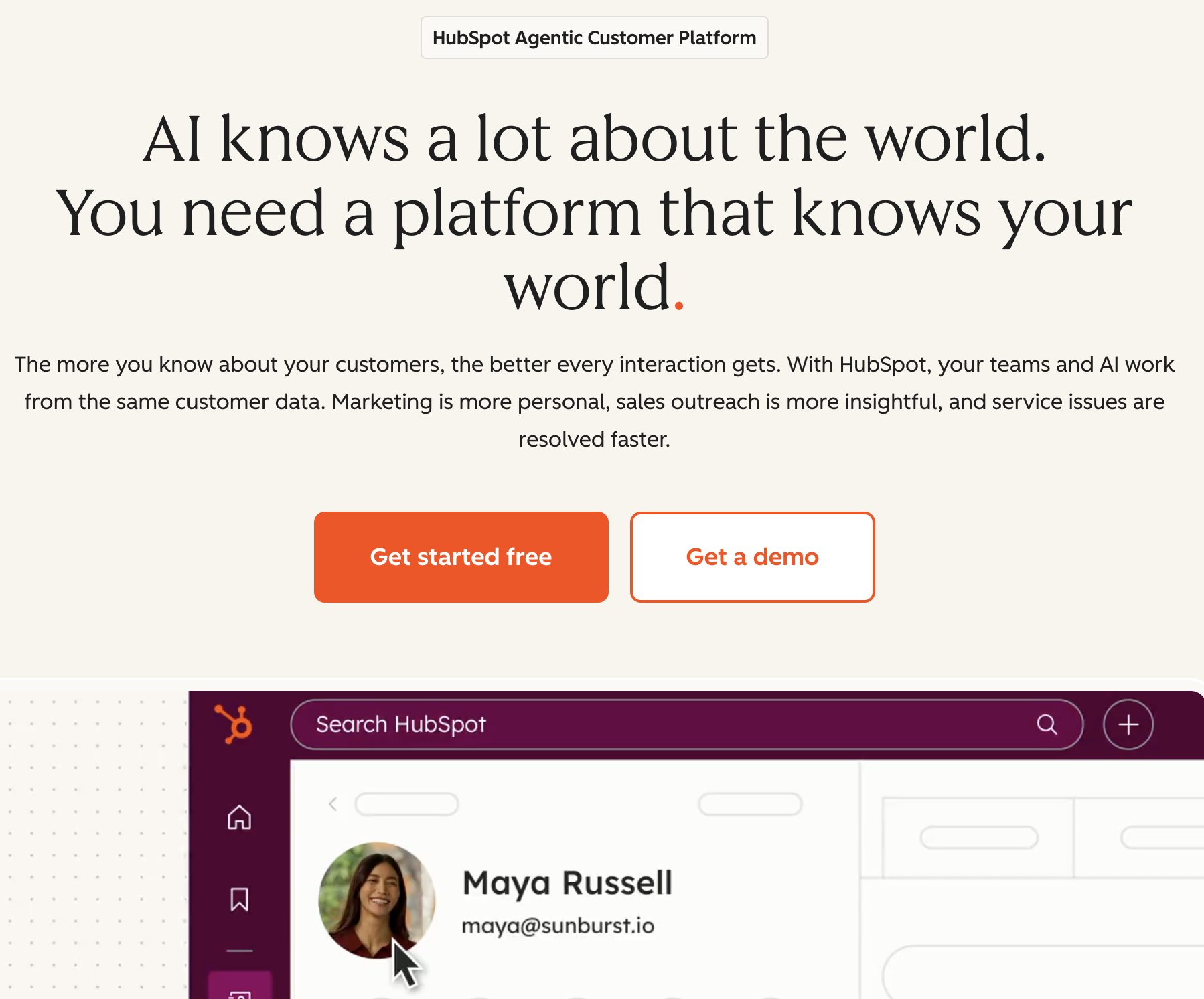
Rating: 8.8/10 | Platform: Web | Pricing: Free CRM to $20/mo (Starter) to $890/mo (Professional) to $3,600/mo (Enterprise)
What it does well: HubSpot's advantage is CRM-native email marketing. Every email you send is automatically logged against the contact record, and the AI uses CRM data (deal stage, last activity, lifecycle stage) to personalize content and timing.
Testing scenario -- Lead nurture based on deal stage: We set up a lead nurture sequence that adapted content based on where contacts were in the sales pipeline. HubSpot's AI recommended different content blocks for leads in "awareness" vs. "consideration" vs. "decision" stages -- and automatically adjusted send frequency based on engagement velocity.
Key strengths:
Limitations:
Best for: B2B companies already using (or planning to use) HubSpot CRM who want email marketing natively connected to their sales pipeline and contact intelligence.
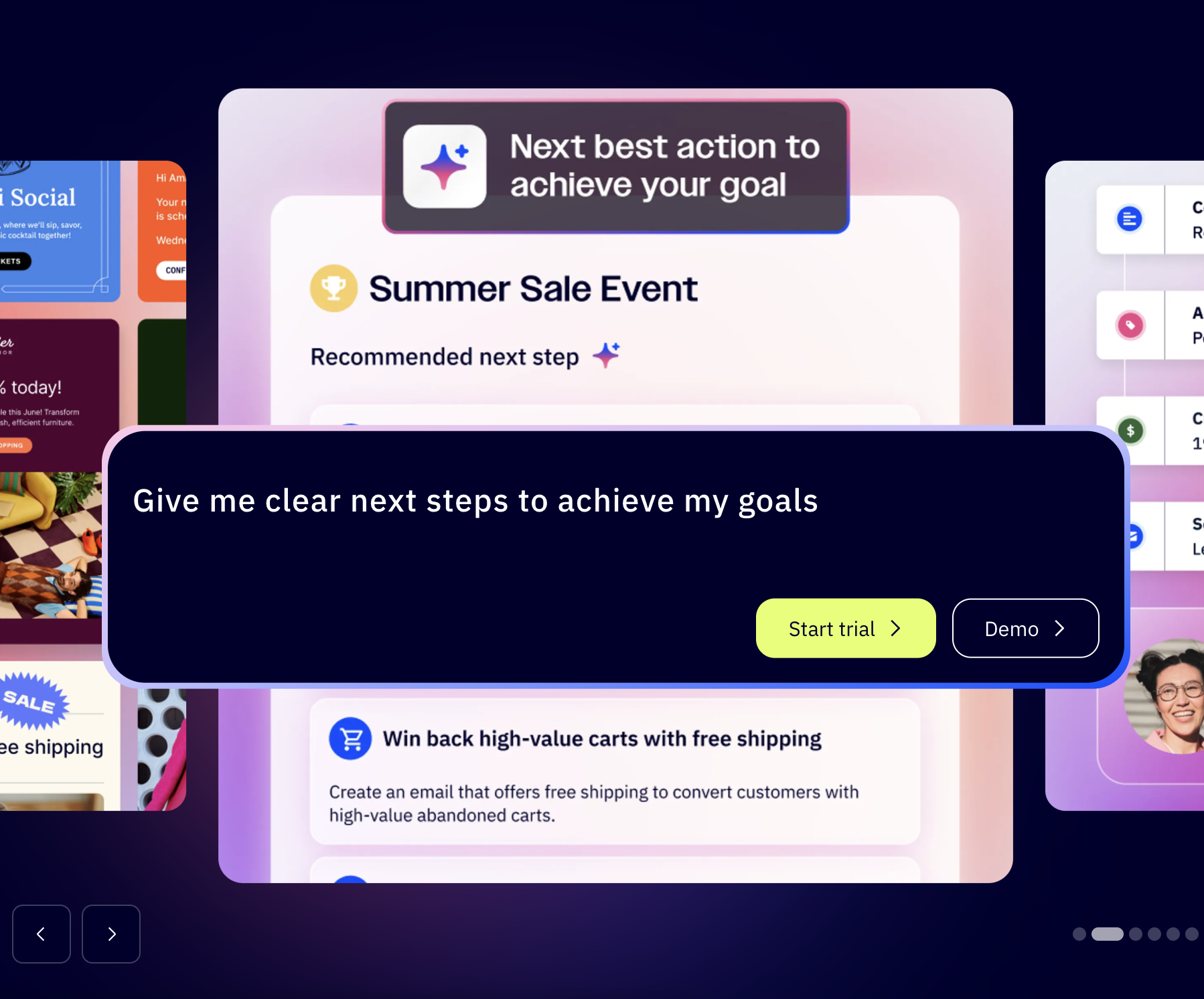
Rating: 8.4/10 | Platform: Web | Pricing: $15/mo (Starter) to $49/mo (Plus) to $79/mo (Pro) to $145/mo (Enterprise)
What it does well: ActiveCampaign has the most granular automation builder of any email marketing platform. Its AI layer adds predictive sending, win probability scoring, and content recommendations on top of already-powerful if/then/else automation logic.
Testing scenario -- Behavioral re-engagement: We built a re-engagement automation for contacts who hadn't opened an email in 60 days. ActiveCampaign's AI analyzed each contact's historical engagement patterns, predicted the best send time per individual, and recommended subject line styles based on what had worked for similar contacts. The conditional logic let us create 8 different paths based on engagement history, industry, and deal value.
Key strengths:
Limitations:
Best for: Marketing teams that need enterprise-grade automation logic at mid-market pricing -- especially if you're building complex, behavior-driven email sequences.
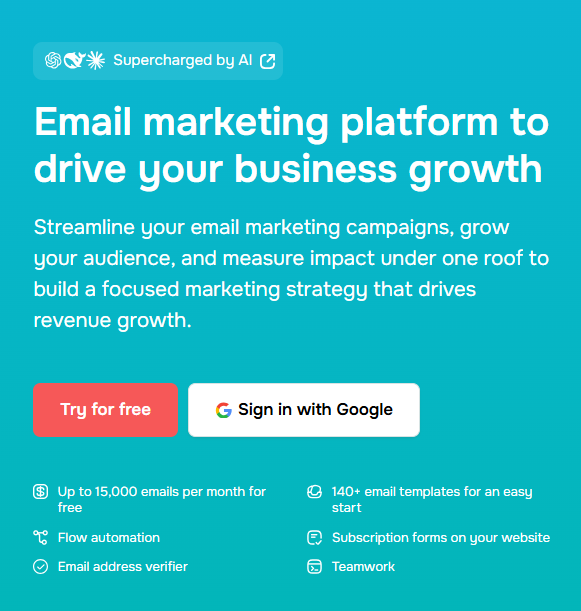
Rating: 9.0/10 | Platform: Web | Pricing: Free (500 contacts, 15,000 emails/mo) to $9.60/mo (Standard) to $11.52/mo (Pro) to Custom (Enterprise)
What it does well: SendPulse, a lesser known but just as powerful email and chatbot platform with drag-and-drop builder, 130+ templates, AI-generated subject lines and copy, A/B testing. The real edge is that the same contact record also carries SMS and chatbot activity (WhatsApp, Instagram, Telegram), all inside one Automation 360 canvas with a free built-in CRM. The AI layer can also turn a plain-text prompt into a ready-to-use automation flow, not just tweak content.
Testing scenario — Cross-channel abandoned cart recovery: We built a recovery flow that started with an email 1 hour after cart abandonment, then branched based on whether the contact had WhatsApp opted in — those contacts got a follow-up nudge on WhatsApp 24 hours later if the email went unopened, everyone else got a second email with a discount code. Automation 360's visual canvas made the channel branching logic straightforward, and Perfect Timing adjusted each email's send time per subscriber based on past open behavior.
Key strengths:
Limitations:
Best for: Teams that want strong email marketing with SMS and chat automation unified under one contact record, without paying HubSpot- or ActiveCampaign-level prices for that reach —especially businesses already talking to customers over WhatsApp or Instagram alongside email.
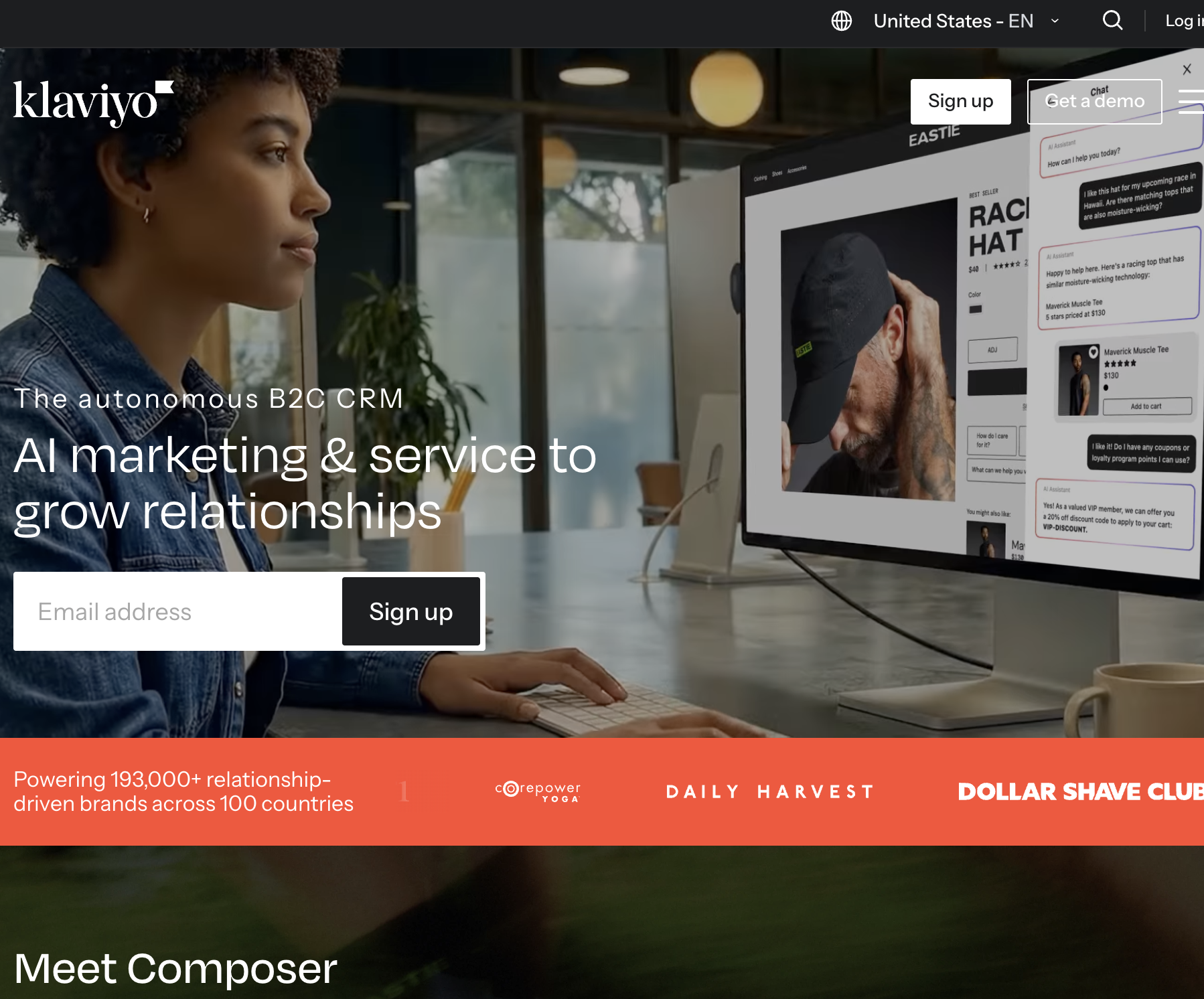
Rating: 8.5/10 | Platform: Web | Pricing: Free (250 contacts) to $20/mo (Email) to $35/mo (Email + SMS)
What it does well: Klaviyo is purpose-built for e-commerce, and it shows. Every feature -- from AI subject lines to automation flows -- is designed around purchase behavior, cart abandonment, and customer lifetime value. Its AI predicts which customers will buy again, when, and what.
Testing scenario -- Predictive cart abandonment: We tested Klaviyo's abandoned cart sequence with AI-optimized timing. Instead of a fixed 1-hour to 24-hour to 72-hour delay, Klaviyo's AI adjusted send timing based on each customer's browsing velocity and purchase history. Customers who typically make quick decisions got follow-ups within 30 minutes; deliberate buyers got a 48-hour grace period.
Key strengths:
Limitations:
Best for: E-commerce brands on Shopify or WooCommerce that want AI-powered revenue attribution, predictive customer analytics, and behavior-triggered automation built specifically for online retail.
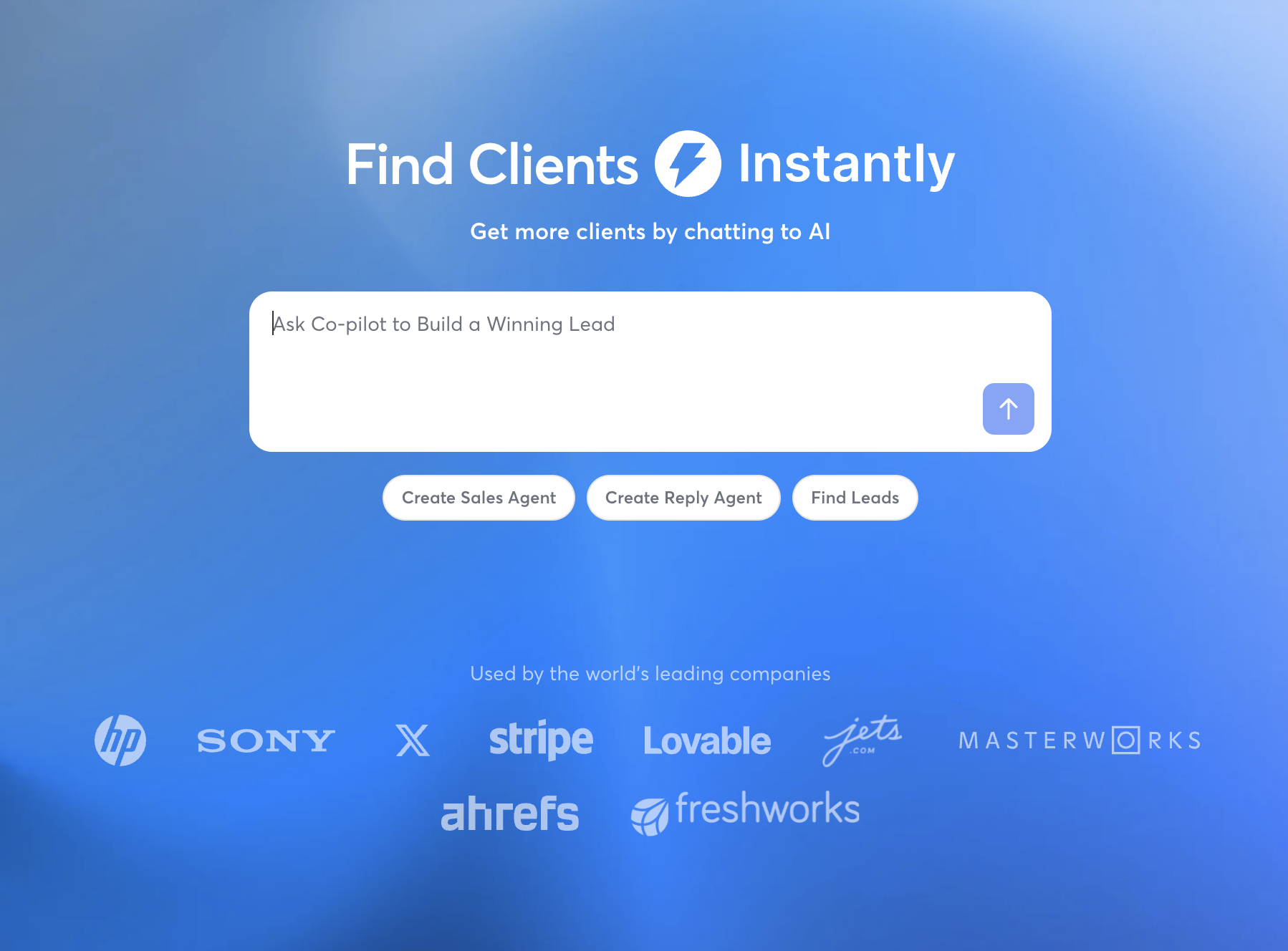
Rating: 8.2/10 | Platform: Web | Pricing: $30/mo (Growth) to $77.6/mo (Hypergrowth)
What it does well: Instantly is purpose-built for cold outreach at volume. Its AI handles the two hardest parts of cold email: warming up new sending domains and generating personalized sequences that don't trigger spam filters.
Testing scenario -- Multi-domain cold outreach: We connected 5 email accounts and ran a 1,000-contact cold outreach campaign. Instantly's AI Warmup gradually increased sending volume across all accounts, monitored deliverability scores in real time, and automatically paused accounts that showed reputation drops. The AI sequence generator created 3 variants per step, and the platform rotated them to avoid pattern detection.
Key strengths:
Limitations:
Best for: SDR teams and agencies running high-volume cold email campaigns who need multi-account management, AI warmup, and sequence generation -- but don't need marketing automation or cross-channel workflows.
Rating: 7.9/10 | Platform: Web | Pricing: $39/mo (Creator) to $59/mo (Pro) to custom (Business)
What it does well: Jasper is not an email platform -- it's an AI writing tool that excels at generating email copy. If your bottleneck is writing compelling subject lines, body copy, and CTAs rather than automation or deliverability, Jasper fills that gap better than any ESP's built-in AI.
Testing scenario -- Email copy A/B testing: We used Jasper to generate 10 subject line variants and 5 body copy versions for a product launch email. The Brand Voice feature maintained consistent tone across all variants, and the template library provided frameworks for welcome sequences, re-engagement, and promotional campaigns. Quality was noticeably higher than what Mailchimp or ActiveCampaign's built-in AI produced.
Key strengths:
Limitations:
Best for: Marketing teams that already have an ESP but need better AI-generated email copy -- subject lines, body text, and CTAs that outperform what their current platform's AI produces.
Rating: 7.8/10 | Platform: Web | Pricing: Free (300 emails/day) to $9/mo (Starter) to $18/mo (Business) to custom (Enterprise)
What it does well: Brevo offers the most generous free tier of any email marketing platform and keeps pricing low at scale. Its AI features are basic compared to HubSpot or Klaviyo, but for small businesses watching every dollar, the value proposition is hard to beat.
Testing scenario -- Small business newsletter: We set up a weekly newsletter for a 2,000-subscriber list. Brevo's AI suggested subject lines based on past open rate patterns and optimized send timing by timezone. The automation builder handled a basic welcome sequence and cart abandonment flow. Nothing groundbreaking, but everything worked reliably at a fraction of Mailchimp's cost.
Key strengths:
Limitations:
Best for: Small businesses and startups on tight budgets that need reliable email marketing with SMS and WhatsApp integration -- without paying $50+/month for features they won't use.
Rating: 7.7/10 | Platform: Browser extension | Pricing: Free (basic) to $29/mo (Individual Pro) to custom (Team)
What it does well: Lavender takes a different approach -- instead of sending emails for you, it coaches you to write better ones. The AI analyzes every email you compose in real time and provides a score with specific suggestions for improvement.
Testing scenario -- Sales rep email quality: We installed Lavender for a 5-person sales team and tracked email performance over 4 weeks. The AI scored each outgoing email on readability, personalization, length, and spam risk. Reps who consistently followed Lavender's suggestions saw their reply rates improve from an average of 3.2% to 5.8% -- a meaningful lift for cold outreach. The "prospect research" sidebar pulled LinkedIn data and recent news to inform personalization.
Key strengths:
Limitations:
Best for: Individual sales reps and small teams who want AI coaching to improve their email writing quality -- particularly cold outreach reply rates -- without replacing their existing email workflow.
Rating: 7.6/10 | Platform: Web | Pricing: Free (250 contacts, 500 emails/mo) to $16/mo (Standard) to $59/mo (Pro)
What it does well: Omnisend combines email, SMS, and push notifications into unified automation workflows specifically for e-commerce. While Klaviyo focuses on deep behavioral analytics, Omnisend focuses on channel orchestration -- making sure your message reaches customers wherever they're most likely to engage.
Testing scenario -- Multi-channel abandoned cart: We built an abandoned cart sequence that used email as the primary channel, with SMS fallback for non-openers and push notifications for mobile app users. Omnisend's AI determined the optimal channel for each contact based on past engagement history. The multi-channel approach recovered 23% more abandoned carts than email-only sequences.
Key strengths:
Limitations:
Best for: E-commerce brands that want unified email + SMS + push notification workflows at a lower price point than Klaviyo -- especially if channel orchestration matters more than deep predictive analytics.
The tools above represent a spectrum from full AI autonomy to AI-assisted human writing. Here is where the industry is heading:
From batch-and-blast to per-recipient intelligence. Traditional email marketing sends one campaign to a segment. AI email marketing researches each recipient individually and adapts content, timing, and channel accordingly. Sai represents the furthest point on this spectrum -- it researches each prospect's LinkedIn activity and company news before drafting a single email.
From template variables to contextual personalization. Merge tags like first name and company name are table stakes. AI-driven personalization references a prospect's recent LinkedIn post, their company's latest funding round, or a shared connection. This level of context requires an agent that can browse the web and pull real-time data -- not just a template engine.
From siloed channels to cross-app workflows. Email marketing platforms are expanding into SMS and push notifications, but they still operate in isolation from LinkedIn, CRM, and calendar. The next evolution connects email to every touchpoint in the customer journey. Sai's cross-channel outreach approach -- warming prospects on LinkedIn before the first email -- shows where this trend is heading.
From automated sending to human-in-the-loop intelligence. Most email platforms automate sending without review. As AI generates more content, the risk of off-brand or inappropriate messages increases. Sai's approval-based system -- where every email requires human sign-off before sending -- represents a safety model that becomes more important as AI capabilities grow.
The AI email marketing landscape in 2026 splits into three tiers. Platform AI (Mailchimp, HubSpot, ActiveCampaign, Klaviyo, Brevo, Omnisend) adds intelligence to traditional email marketing -- better subject lines, smarter send times, behavior-based automation. Specialist AI (Instantly, Jasper, Lavender) excels at one dimension -- cold outreach volume, copywriting quality, or email coaching. Agent AI (Sai) operates across the entire workflow -- researching prospects, drafting personalized emails, connecting to LinkedIn and CRM, and requiring human approval before sending.
The right choice depends on your use case. If you run an e-commerce store, Klaviyo or Omnisend will serve you best. If you need CRM-integrated marketing automation, HubSpot is the standard. If you run cold outreach at volume, Instantly handles the infrastructure.
But if your bottleneck is not sending emails -- it is researching prospects, personalizing messages, and connecting email to LinkedIn and CRM without juggling 4 different tools -- Sai is built for exactly that workflow.