Oops! Something went wrong while submitting the form.

Sai researches each account before it scores it — so every number comes with the evidence behind it.
You describe a good account once. Sai does the other steps.

Point Sai at your list and describe what makes an account worth working.

Sai opens every account and checks what the company is actually doing now.

Sai writes a score, one line of reasoning, and the source link behind it.

Open the sheet, spot-check a few sources, and give your reps the top rows.
A score is only useful if a rep believes it. Sai shows its work, and rescores every week as accounts change.
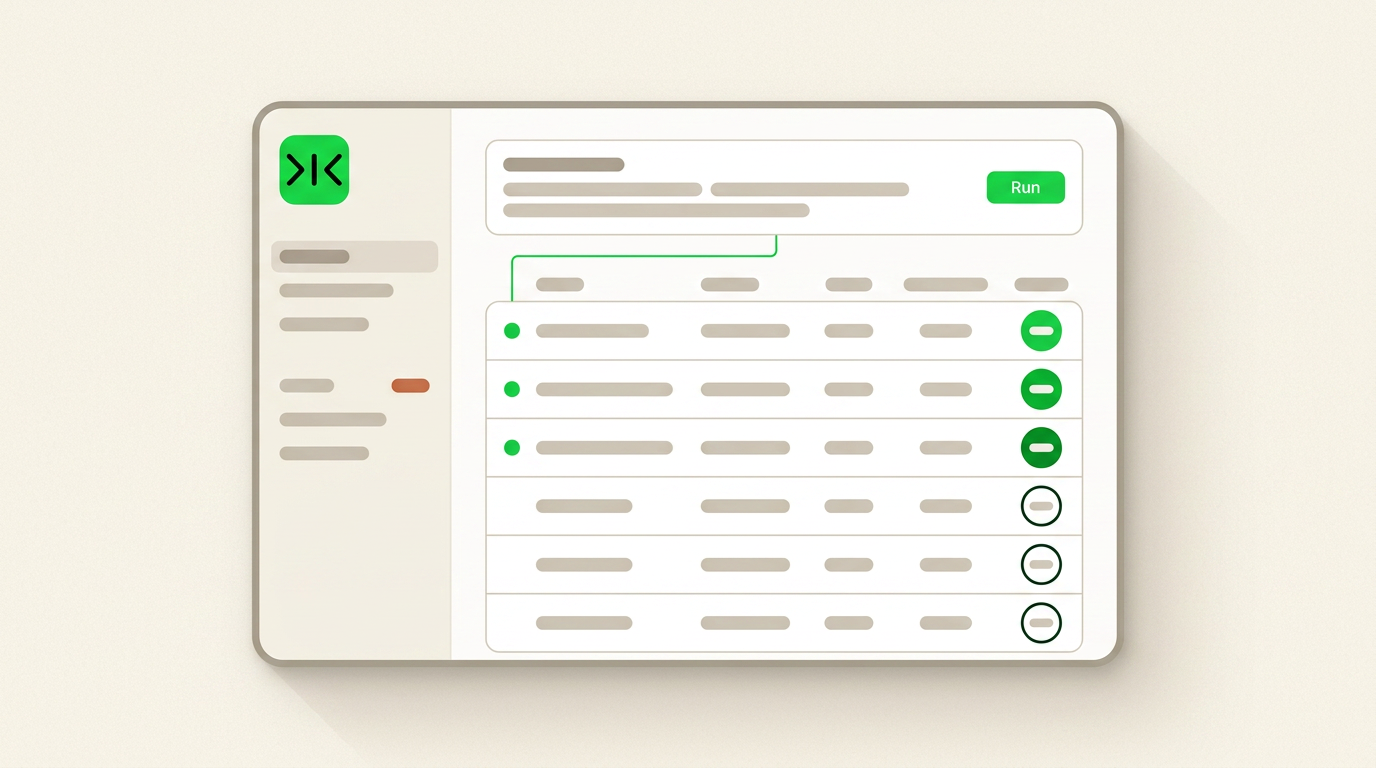
Most scoring reweights fields already sitting in your CRM. Sai opens each account first and scores what the company is doing now, not what someone typed into a form last year.
One line of reasoning and a source link sit next to every number. When Sai can't verify a signal, it marks the row unverified instead of guessing.
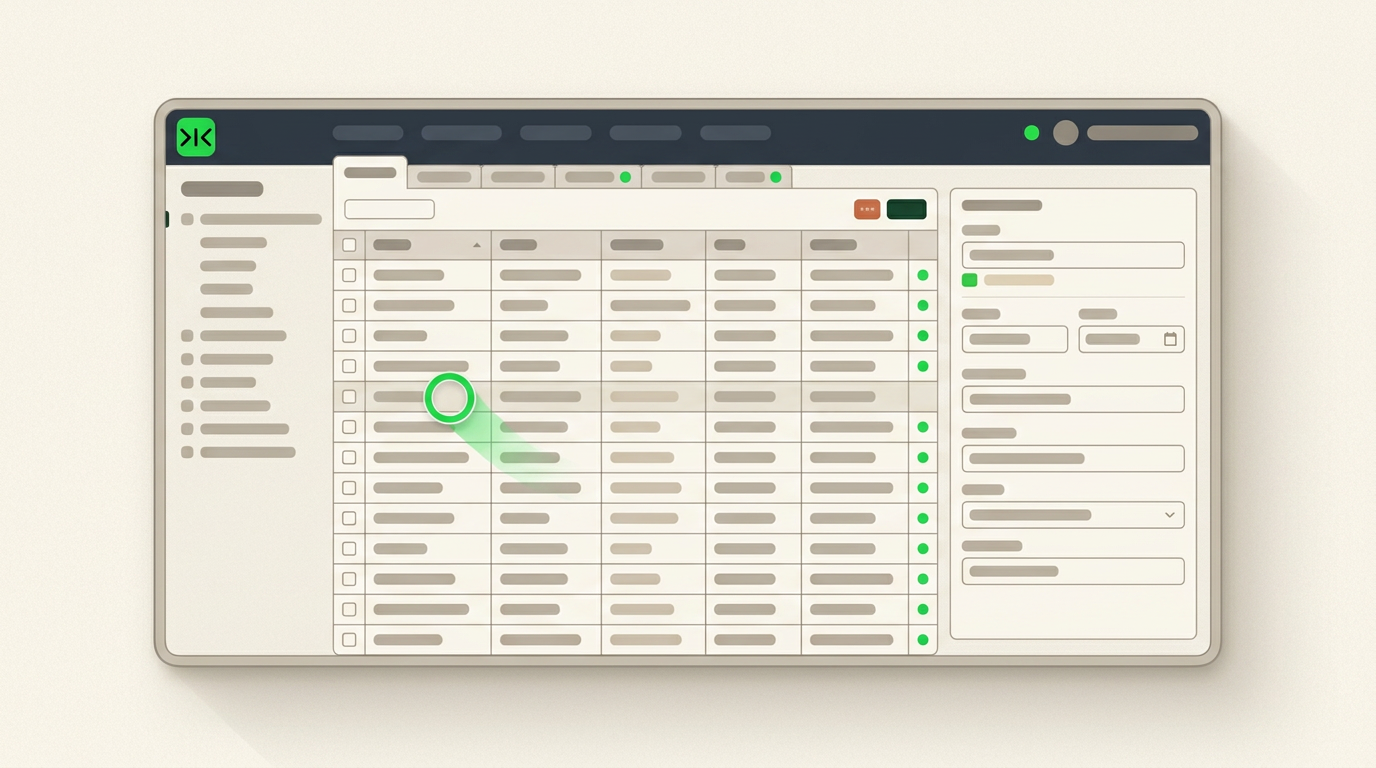
Sai works in a real browser inside your own logged-in sessions, so it can read and update the CRM, portals and internal tools that have no public API.
Accounts change: they hire, raise, pivot. Sai rescores your whole list on a schedule, unattended, and flags what moved — and every repetition makes it cheaper and more reliable.

ICP fit scoring rates how closely an account matches your best customers, usually on a 0–100 scale built from firmographics, technographics, and growth signals. Most scoring models measure static attributes — headcount, industry, revenue band — captured once at import. Fit is treated as a property of the company rather than a property of this quarter.
That distinction is the whole problem. A company that raised a Series B eleven months ago and a company that raised one last week score identically on funding stage, but only one of them is buying right now. The attributes are correct. The timing they imply is not.
Sales reps stop trusting ICP scores when the score arrives without its reasoning. A number between 0 and 100 cannot be argued with, checked, or corrected — so a rep who works two 92s that turn out to be dead accounts learns to ignore the column. Trust is lost at the interface, not in the model.
Sai scores differently: every account carries the sentence that justified it and a link to where that evidence came from. A rep can disagree with the reasoning in four seconds instead of discovering the problem on the call.
Yes. Much of the evidence that decides fit lives where no API reaches: a customer portal, an internal admin console, a regional registry, a supplier system your team logs into by hand. Enrichment vendors skip these sources, so the attributes they cannot reach simply never enter the score.
Sai works the way a person does — it opens the system, navigates it, and reads the screen. If a person can click it, Sai can run it. That closes the gap between the data your scoring model uses and the data your team actually trusts.
Automated ICP fit scoring is the wrong tool for a one-off exercise. If you are scoring a single list before a single campaign, a spreadsheet and an afternoon will beat any setup. The same is true if your ICP itself is still unsettled — automation will faithfully repeat a definition you are about to change.
It earns its place when the same list has to stay correct. Scoring an account once is a task. Keeping several thousand of them accurate every week is the job — and Sai is built for run #100, not run #1.
Free your hands from the computer.
Try Sai