Oops! Something went wrong while submitting the form.
Everyone can write an email now. Sai's job is deciding which five are worth sending — and backing every line with a source.
You set the bar once. Sai does the other steps.

Tell Sai what counts as a real reason to contact someone.

Sai researches every contact and drops the ones with no genuine angle.

Sai writes each surviving message and links the evidence behind every claim.

Skim the drafts, check a source, and press send yourself.
Fewer messages, each one traceable to something real — and nothing leaves your outbox without you.
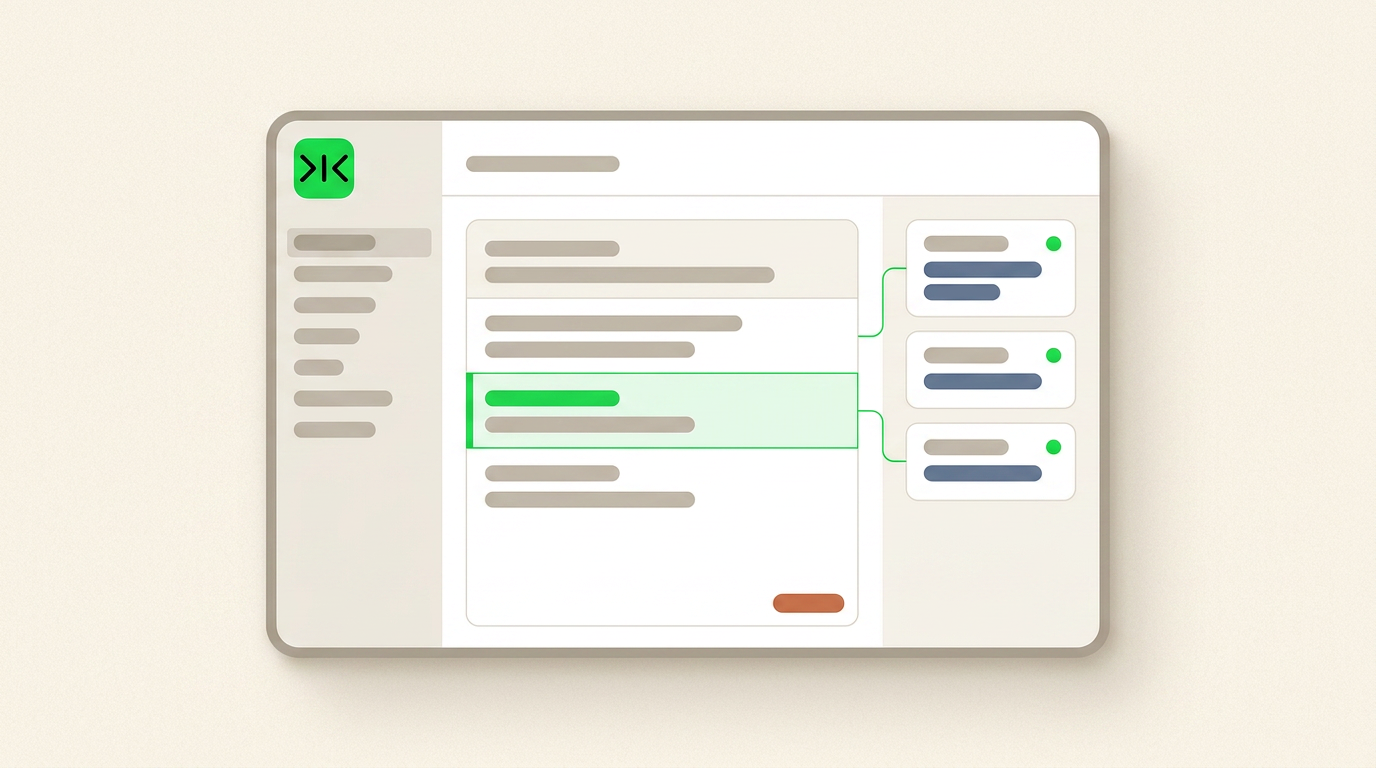
Sai researches each contact first and drops the ones with no genuine reason to be contacted. You get a shorter list and the reason each name was cut — because a message nobody should have received cannot be fixed by better wording.
Each specific claim in a draft links to the page it came from. If Sai cannot find anything concrete to say about a contact, it says so instead of reaching for generic flattery.
Sai works in a real browser inside your own logged-in sessions, so it can draft in your own inbox and update the CRM records that have no public API.
Sai prepares your outreach on a schedule, unattended, week after week — and every repetition makes it cheaper and more reliable.
AI sales outreach is the use of AI to research contacts and prepare the messages a sales team sends to start conversations. For a few years the pitch was that AI removes the writing bottleneck, and it did. The problem is that it removed the same bottleneck for everyone at once. Buyers now receive a large volume of competently written, superficially personalised email, and they have adjusted: one widely shared test found AI-written cold emails returned a 2.1% positive reply rate against human-written controls, a decline rather than a gain. Writing was never the scarce resource. Restraint is.
Sai treats the send decision as the real work. Before drafting, it opens each contact's company and public profile and looks for a specific, current reason to make contact — a hiring pattern, a funding event, a product change, a public statement about the problem you solve. Contacts without one are dropped, and you get the list of who was cut and why. For the contacts that survive, Sai writes a short message in which every specific claim carries the link it came from. When the only available observation is generic, Sai treats that as evidence the contact should be dropped, not as a prompt to write filler.
Sending infrastructure is now a liability as well as a tool. Mailbox providers have tightened enforcement — since late 2025 Gmail rejects non-compliant bulk mail outright rather than filing it in spam — which makes sending from a separate third-party platform a risk to your domain. Sai avoids the problem by working where you already work: it operates a real browser inside your own logged-in sessions, preparing drafts in your own inbox and writing back to CRM records that expose no public API. If a person can click it, Sai can run it.
Reasons to reach out expire. The hiring signal that justified an email in March is stale by May, and the contact who was not worth writing to last quarter may be worth writing to now. Sai saves the whole routine — research, disqualify, draft, cite — as a recurring workflow that runs unattended on your cadence and surfaces a fresh short list each week. The hundredth run costs less and breaks less than the first, and nothing is sent until a person approves it.
Free your hands from the computer.
Try Sai