Oops! Something went wrong while submitting the form.
Competitive intelligence tools collect signals and leave the writing to you. Sai researches each competitor across their site, pricing, portal, reviews and hiring pages, ranks what changed by significance, and delivers a sourced brief you can forward without editing.
You read one brief at the end of the quarter. Sai does the other three steps.

Three to ten companies, the surfaces worth checking, and what a finding has to affect to be worth your time. Optional: your own logins for the portals and communities you already belong to.

Pricing and plan pages, changelogs, careers listings, review sites, communities — and the customer or partner portals that never appear in a crawl, opened with your credentials.

High, medium, ignore — each with a one-line implication and the source link behind it. The ignores are counted and discarded, not shown.

A finished document, structured the same way every time, so this quarter reads directly against the last one.
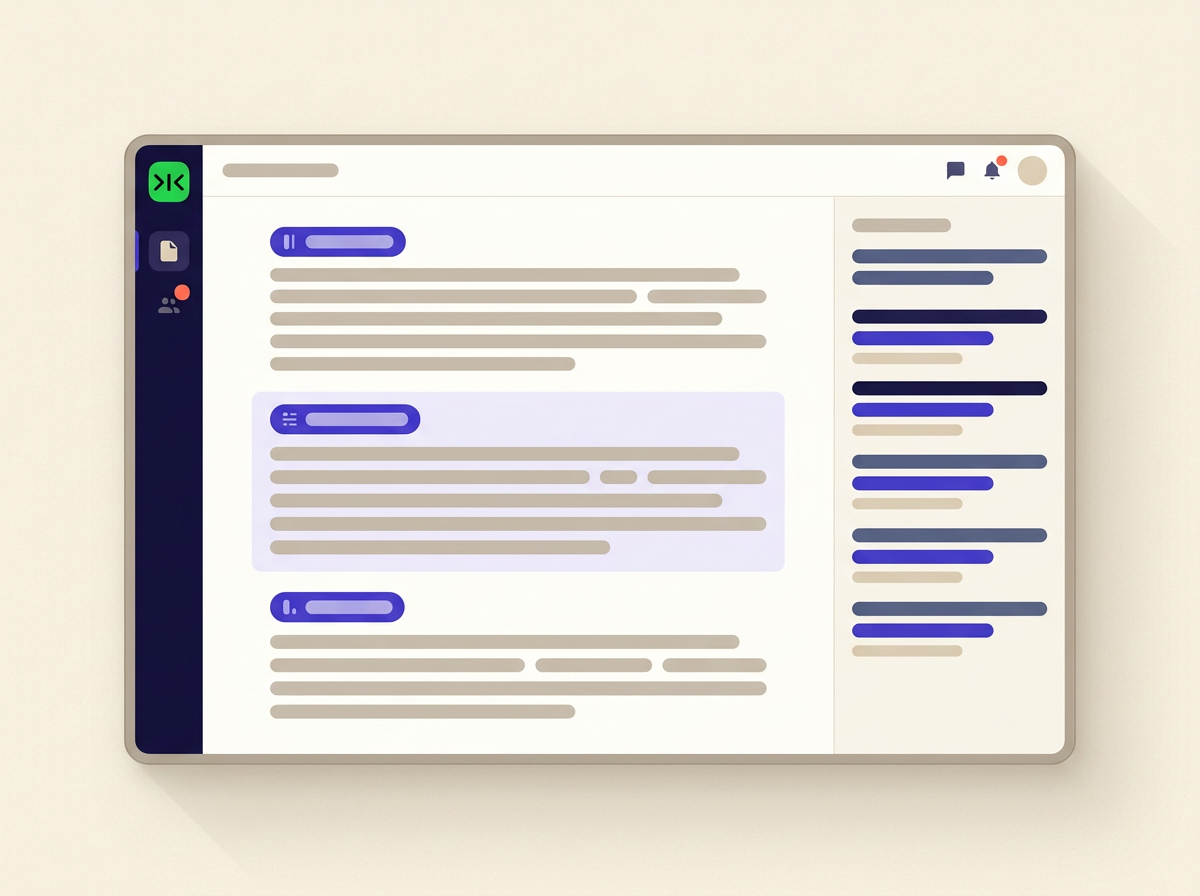
Aggregators end where the work begins: a feed of changes that someone has to read, judge and turn into prose. Sai finishes that step — the output is a structured document with sections, implications and sources, ready to forward.
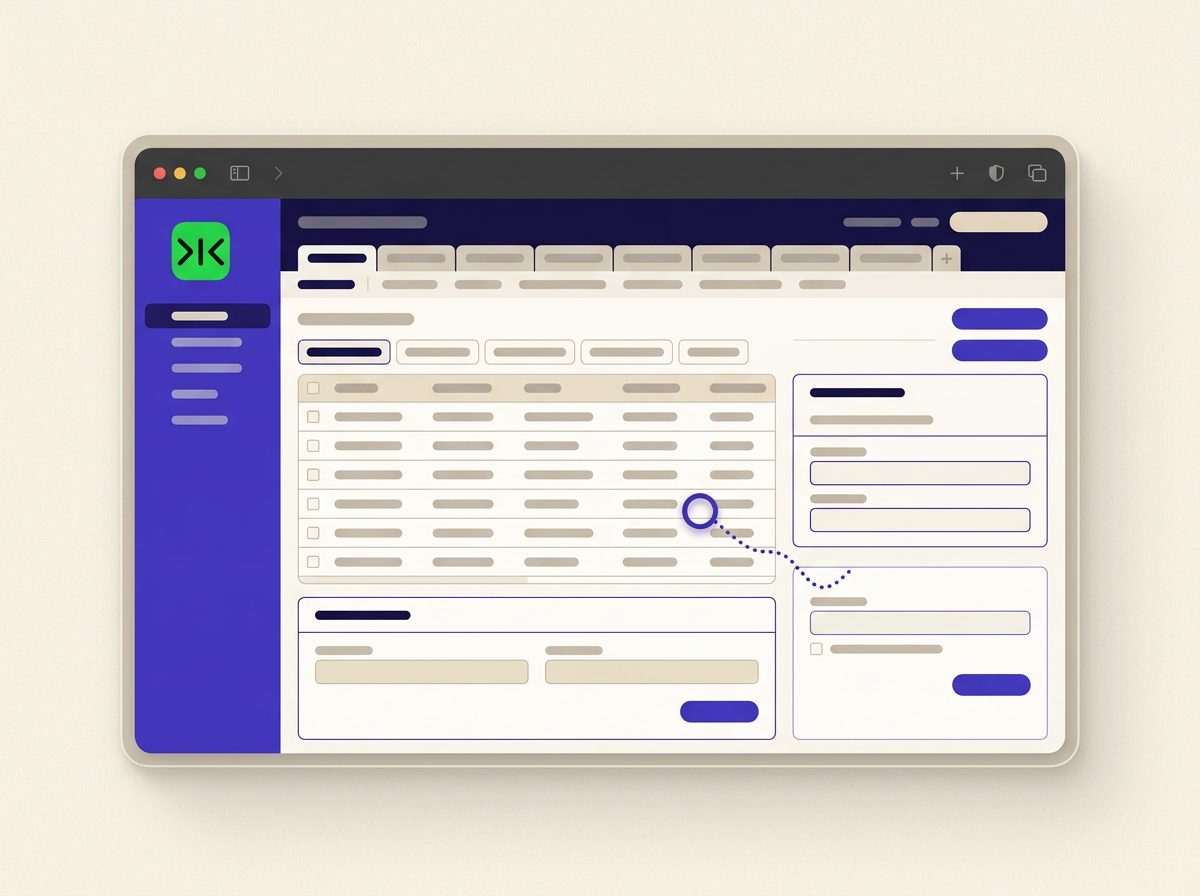
The most decision-relevant intelligence is not on the marketing site. A plan tier inside a customer portal, a partner directory, contract terms, a community thread behind a login — none of it is crawlable, so none of it is in your current tool. Sai opens it, signs in, and reads the screen.
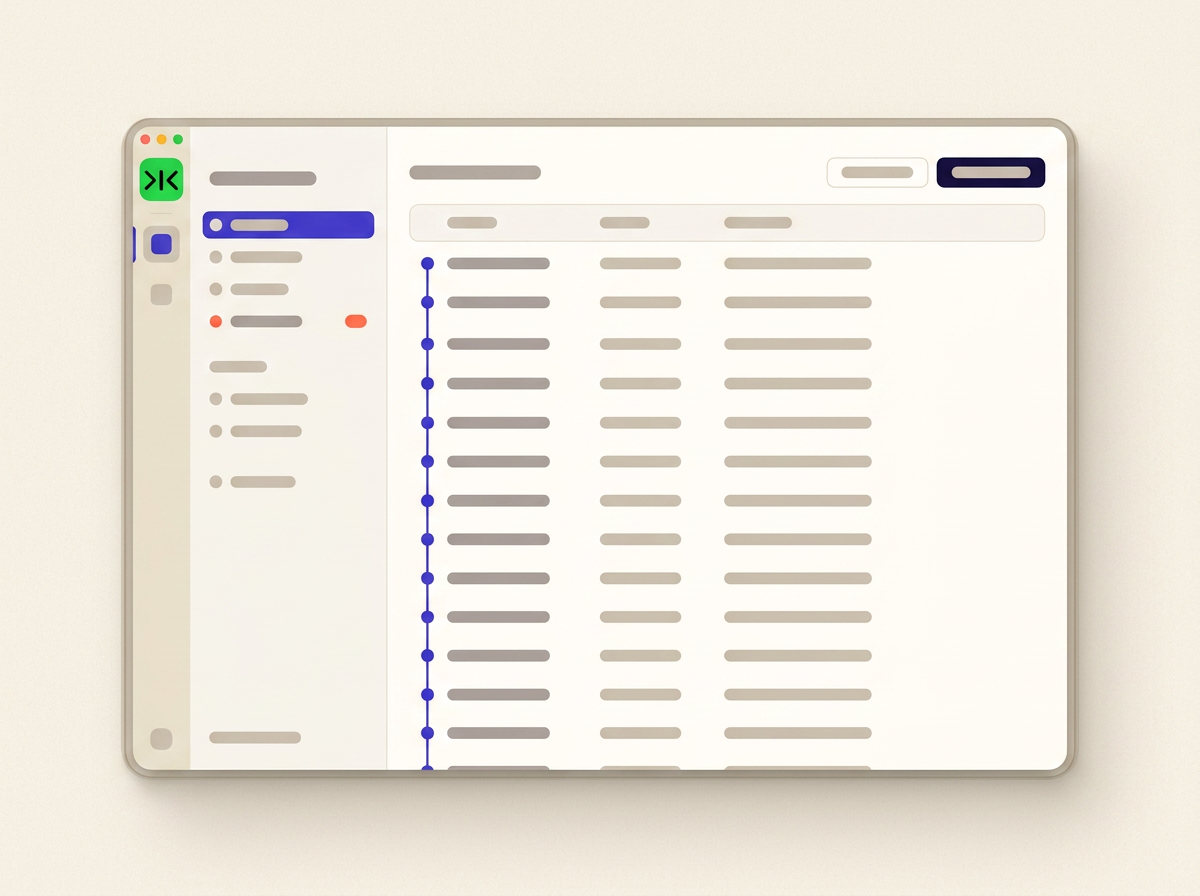
The first competitive report is a project anyone can staff. The twelfth, identically structured and on time, is the one that changes decisions. Sai runs the same research unattended each quarter and writes each edition against the last.
Each finding keeps the link, the date and the before-and-after it came from. When a claim is challenged in the room, the evidence is one click away instead of a half-day of re-research.
Competitive intelligence is the systematic gathering and analysis of information about rival companies — their pricing, products, positioning, hiring and customers — turned into conclusions a team can act on. It is distinct from competitor monitoring, which reports individual changes as they happen; intelligence is the judgement applied to those changes.
The distinction matters because most software sold as competitive intelligence is really monitoring with a longer feature list. It tells you a page changed. It does not tell you whether the change means a rival is moving upmarket, and it never says what you should do about it.
To create a competitive intelligence report, pick three to ten competitors, fix the surfaces you will check for each — pricing, product and changelog, careers, review sites, communities, portals — gather what changed since the last edition, attach a source to every finding, rank findings by significance, and close with a short list of implications.
The structure has to be identical every edition. A report that reorganises itself each quarter cannot be read as a series, and a series is the only reason to write the second one.
The established competitive intelligence tools split into three groups: CI platforms such as Crayon, Klue and Kompyte that aggregate signals and host battlecards; digital intelligence tools such as Semrush and Similarweb that measure traffic, keywords and ad spend; and premium research platforms that sell analyst reports behind a paywall.
All three stop at the same place. They deliver material, not conclusions — the battlecard is still written by a person, the quarterly brief is still assembled by hand from a feed. Their coverage also ends at the public web: they answer how a rival performs on the open internet, which is not where most competitive decisions are made.
The useful intelligence sits behind a login because that is where commercial detail lives. Real plan tiers and enterprise pricing sit inside customer portals, partner terms sit in partner directories, product roadmaps sit in community forums that require an account, and contract language sits in documents no crawler reaches.
Sai has no API dependency and no crawler limitation. It opens the portal, signs in with your own credentials, navigates the pages a person would, and reads what renders — then treats what it found there exactly like any other finding, with a source and a date. If a person can click it, Sai can run it.
Skip it for a one-off study. If you need a positioning teardown for next month's board meeting and never again, an analyst with a browser and two days will beat any recurring setup. Skip it too if you track a single competitor whose entire surface is one public pricing page — a bookmark is cheaper than a workflow.
It earns its place when the same ten competitors have to be researched across the same twelve surfaces every quarter, by someone who has other work. That is a recurring job, and Sai is built for run #100, not run #1.
Free your hands from the computer.
Try Sai