Oops! Something went wrong while submitting the form.
Most tools send you an alert every time a page changes — including the footer year. Sai checks your competitors each week, ranks what it finds by significance, and shows you the evidence behind every call.
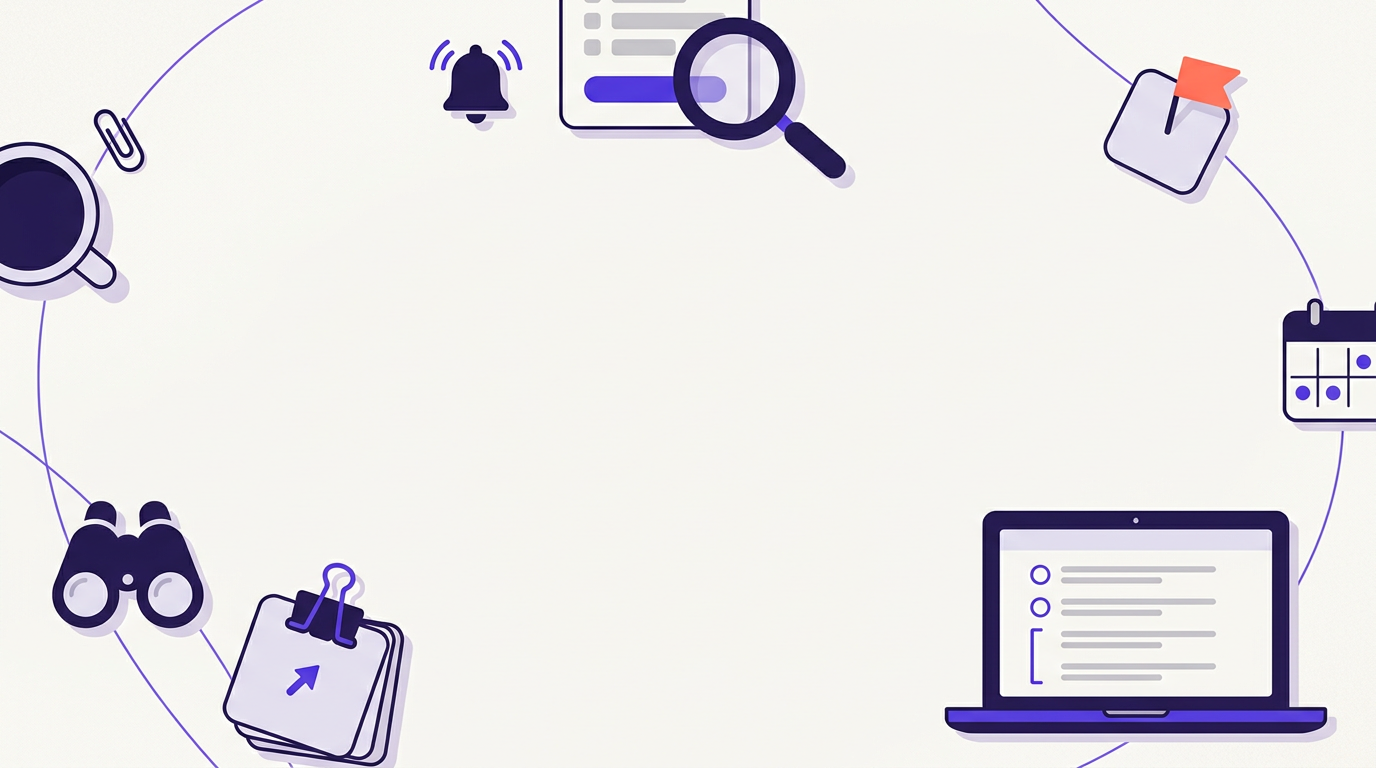
You read three items on Monday. Sai does the other three steps, every week.

The companies, the pages worth watching, and what "important" means to you. Once.

Pricing, changelogs, case studies, careers, help centre. Not just the homepage.

High, medium, ignore — each with a one-line reason and the before-and-after.

Same run, same format. This week is judged against everything it has already seen.
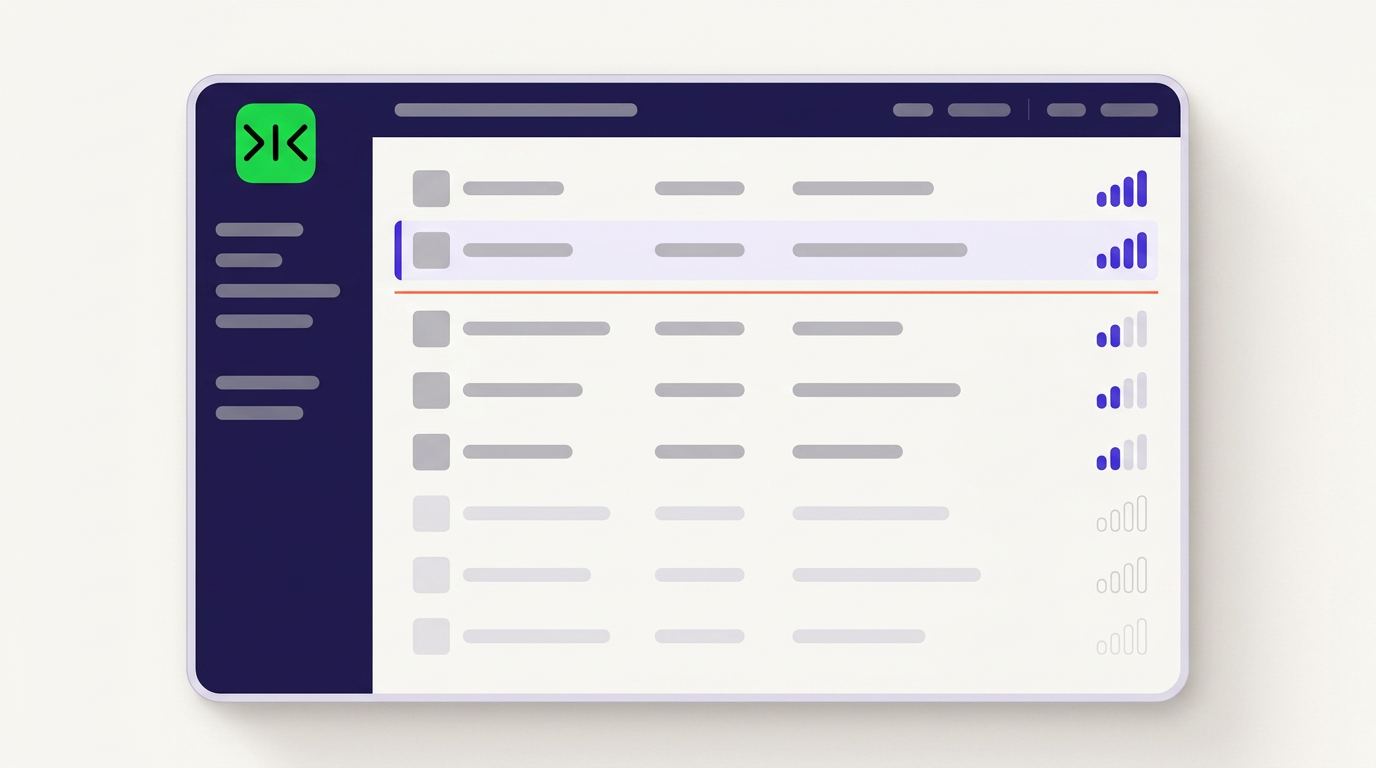
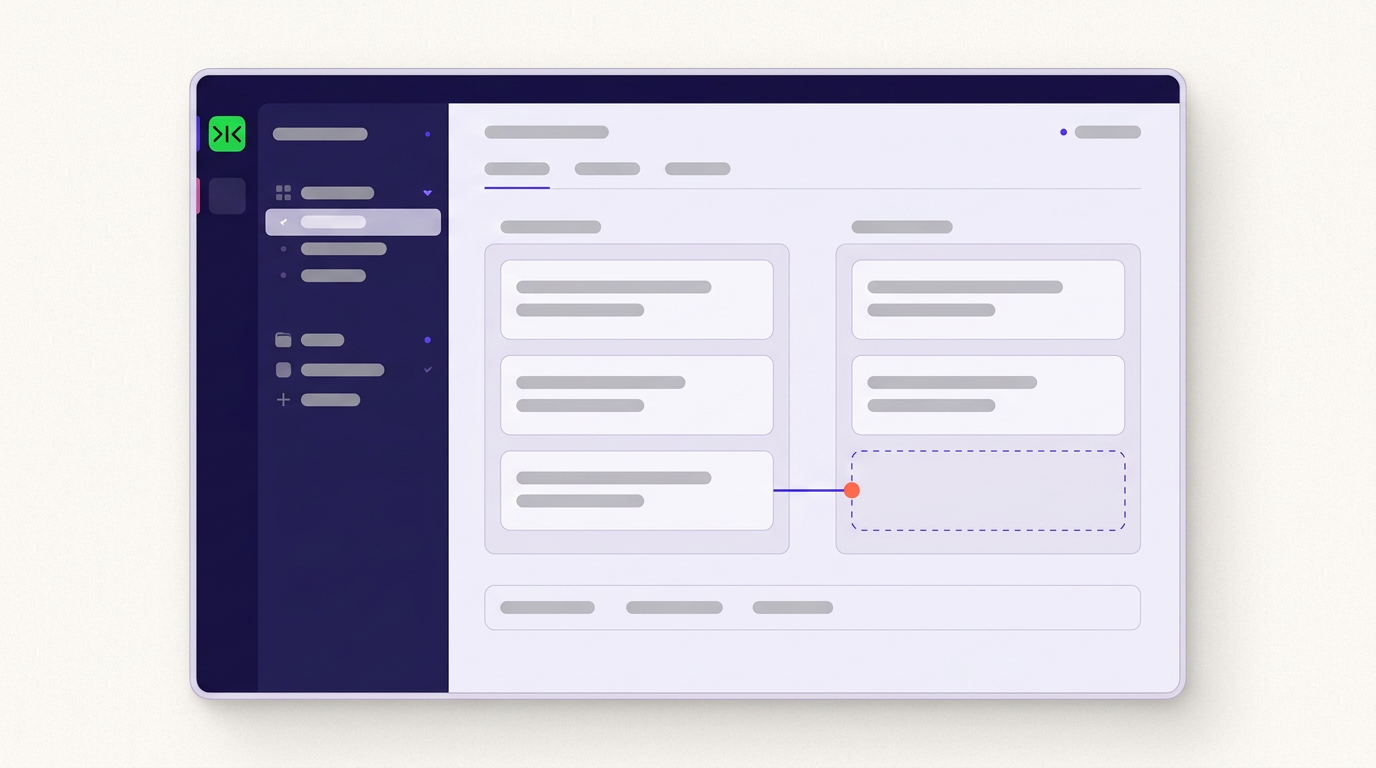
Every change Sai finds is placed in one of three tiers with a one-line reason: the pricing tier that vanished sits at the top, the refreshed hero image is counted and discarded. You read three things, not thirty.
A page-diff tool highlights pixels. Sai reads the page and describes the move in a sentence — a plan limit raised, a tier removed, a new logo on the customer page — with the before and after side by side.
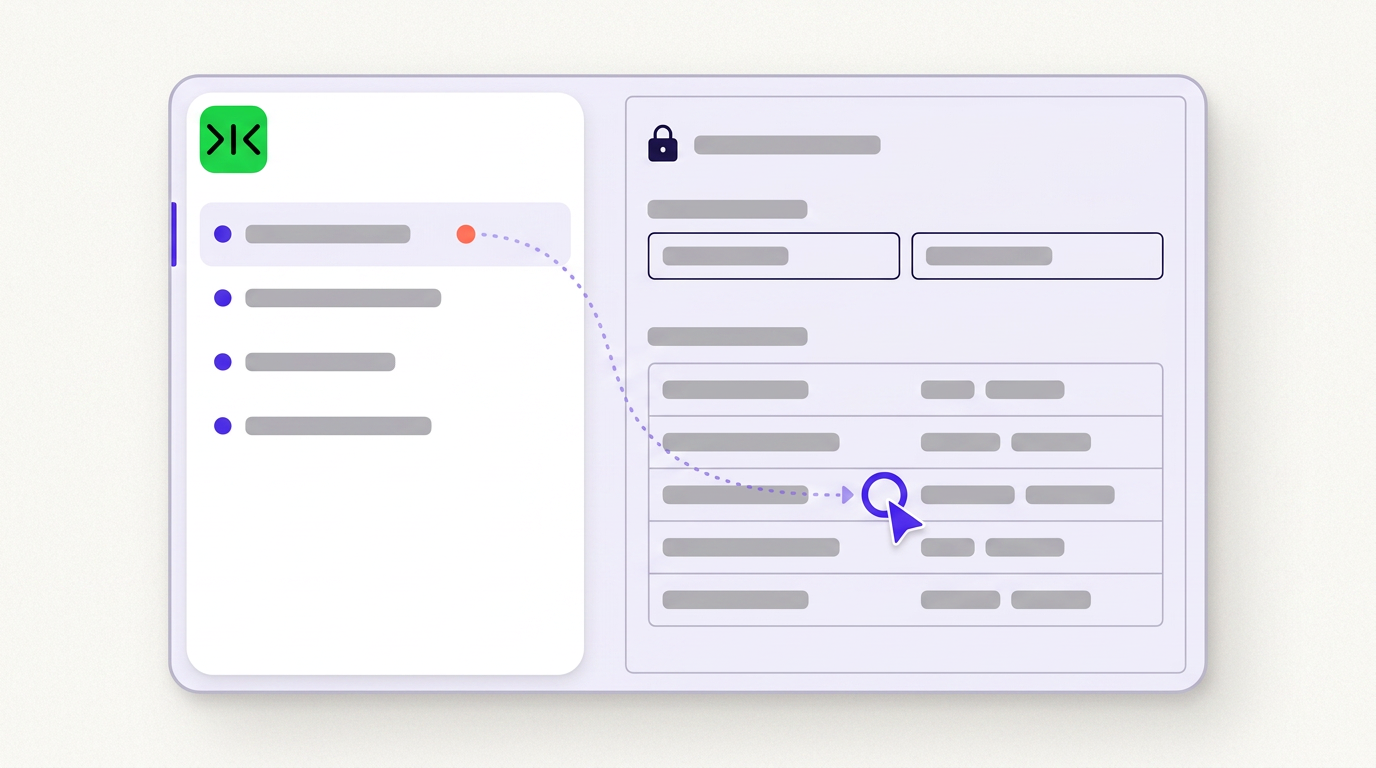
Sai works in a real browser inside your own logged-in sessions, so gated pricing calculators, partner portals and help centres behind a signup are all readable — no integration, no API required.
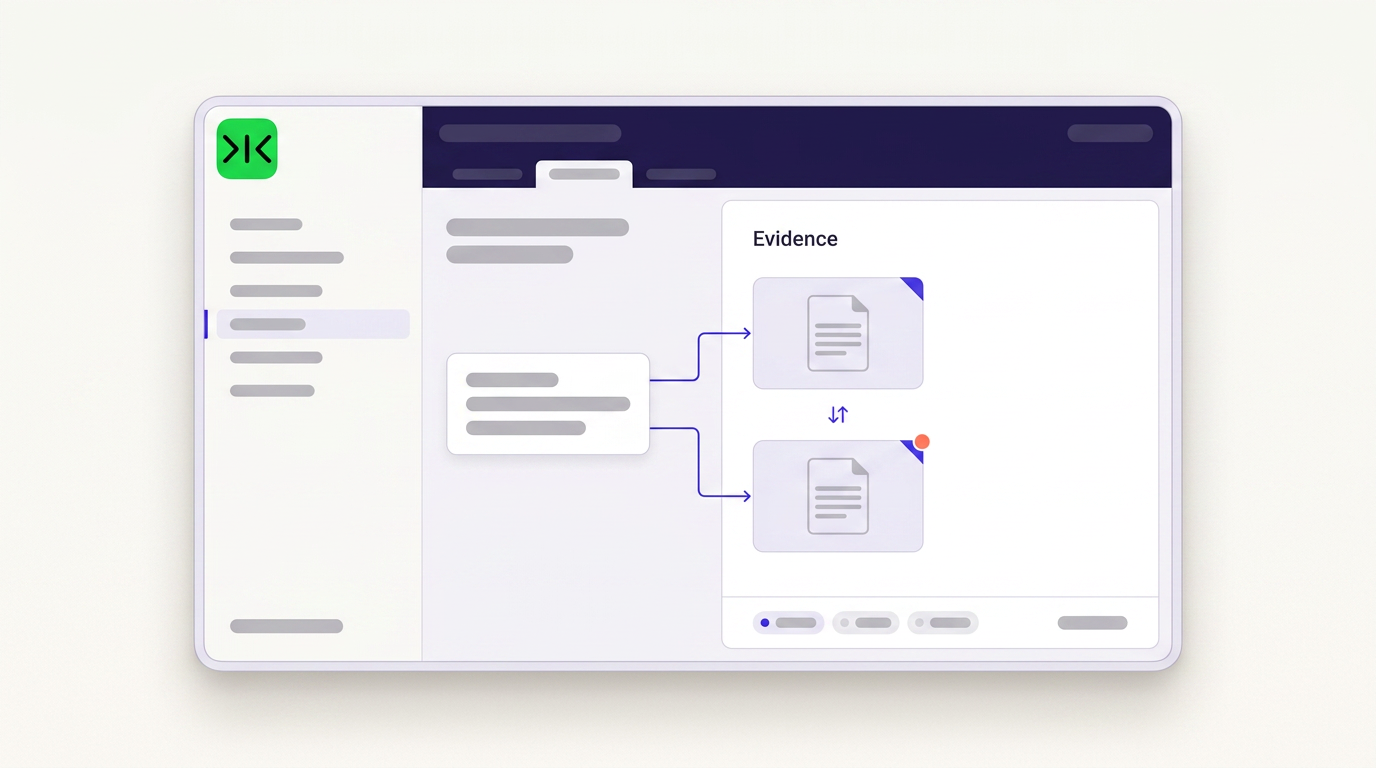
Each item in the digest links to the captured before-and-after and the URL and date it was taken. If Sai could not reach a page, it says so rather than reporting no change — silence is never presented as evidence.
Competitor monitoring tools track the public marketing surface: search rankings, paid keywords, estimated traffic, backlinks, social engagement, and tech stack. Semrush, Ahrefs, Similarweb and Sprout Social each cover a slice of it well. Together they answer one question — how is a rival performing on the open web?
That leaves out the surface where competitive decisions are usually made. Pricing behind a login, a plan tier in a customer portal, a partner directory, terms buried in a contract page — none of it is public, so none of it is measured.
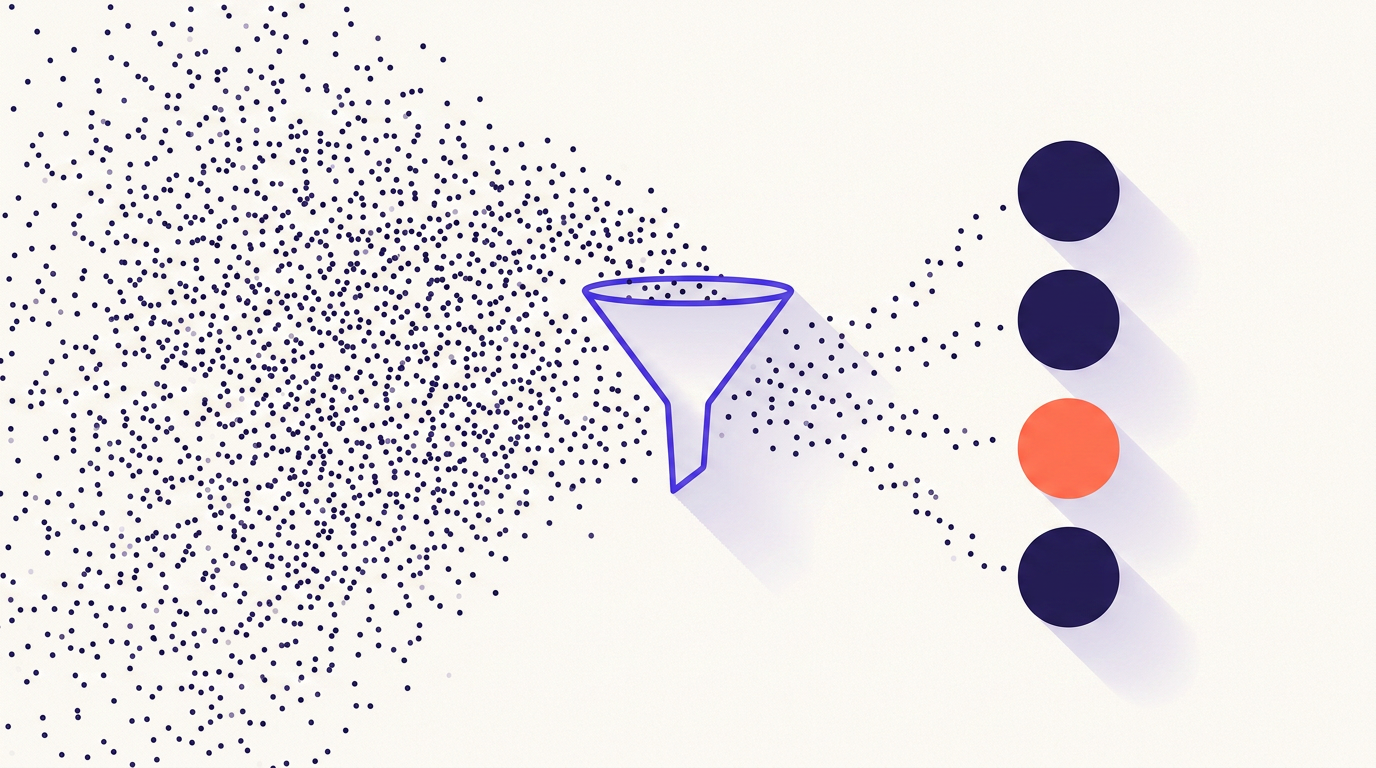
Competitor tracking alerts stop getting read when volume outruns judgement. A page-change monitor fires on a cookie banner, a rotated testimonial, a swapped stock photo, and a genuine price rise with equal confidence. After two weeks of noise the alert channel becomes a folder nobody opens, and the one message that mattered arrives there too.
The failure is not detection. Detection works. What is missing is the step a person used to do: deciding which of forty changes is worth a colleague's attention.
Yes, and that is where most of the useful evidence sits. A pricing page that reveals real numbers only after you pick a plan, a partner portal, a members-only community thread, a job board that renders nothing until you interact with it — crawlers and scraping APIs return empty or stale results for all of these.
Asking ChatGPT to research a competitor hits the same wall: it can only read what is openly published. Sai works the way a person does — it opens the page, signs in, clicks through, and reads the screen. If a person can click it, Sai can run it.
Competitor monitoring software is the wrong investment for a one-off study. If you need a positioning teardown for next month's board deck, an analyst with a browser and two days will produce something better than any monitoring setup. The same holds if you are tracking a single rival and already check their site out of habit.
It earns its place when the watch has to hold for a year across a dozen competitors, and when someone has to be able to explain why a change was surfaced. Watching once is a task. Still watching in month twelve is the job — Sai is built for run #100, not run #1.
Free your hands from the computer.
Try Sai