Oops! Something went wrong while submitting the form.

API samples and real answers agree on about 4% of source links. Sai tracks the answers your buyers actually see — in the browser, signed in, every week.
You write the prompt set once. Sai does the other three steps, every week.

Ten to twenty prompts, and the engines your market uses. Optional: a threshold that tells Sai when to flag a drop.

One fresh chat per prompt, in your own accounts — the same conditions your buyer is in when the answer is generated.

Mentioned or not, where in the answer, which brands appear beside you, and every source link cited — with the full answer kept underneath.

Same prompts, same engines, same format. This week is written beside every week before it.

A model endpoint and a signed-in product interface return different responses — different retrieval, different personalisation, different citations. Sai reads the interface, so a mention it reports is a mention someone could actually have seen, in the session they were actually in.
The surfaces that decide your visibility increasingly have no public API: a ChatGPT session with memory and connectors, an enterprise Copilot bound to a tenant, a Perplexity account with its own model selection. Sai opens them, signs in, types, and reads the screen.
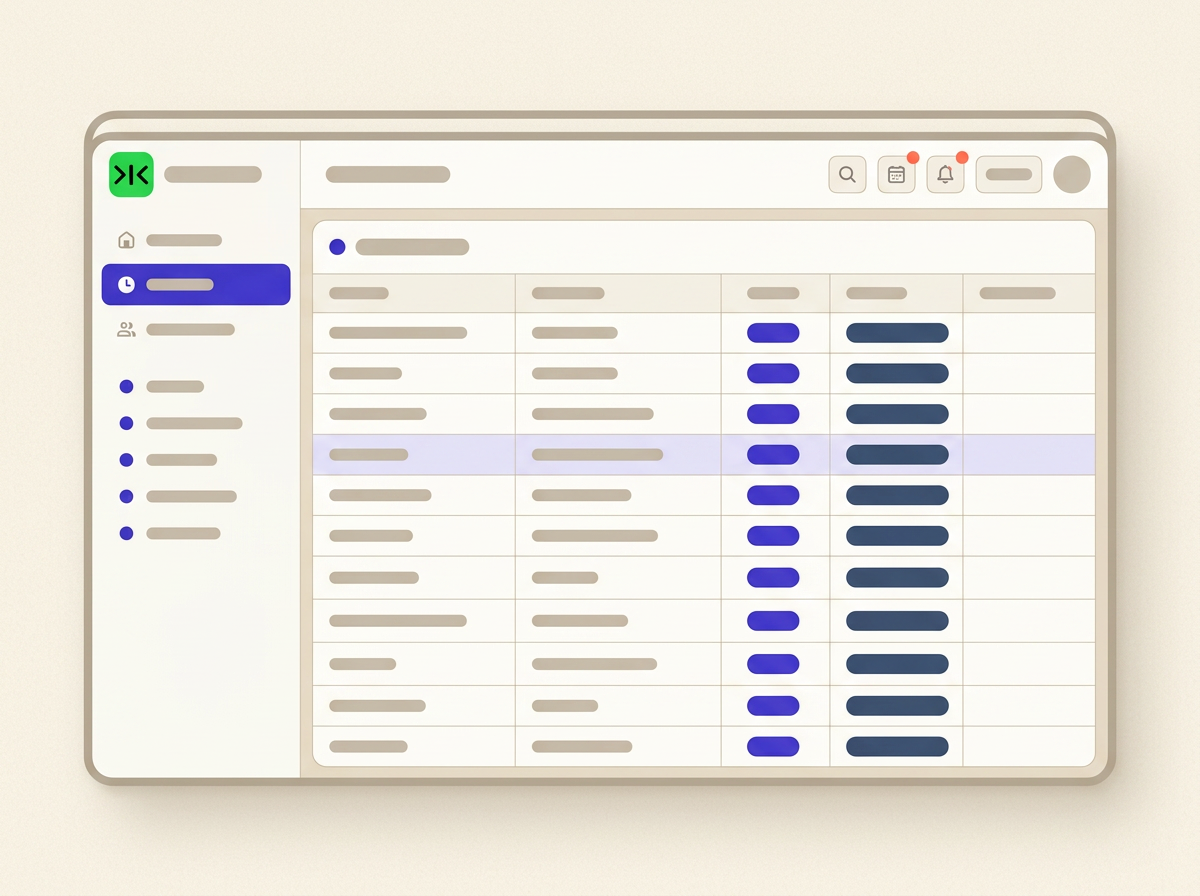
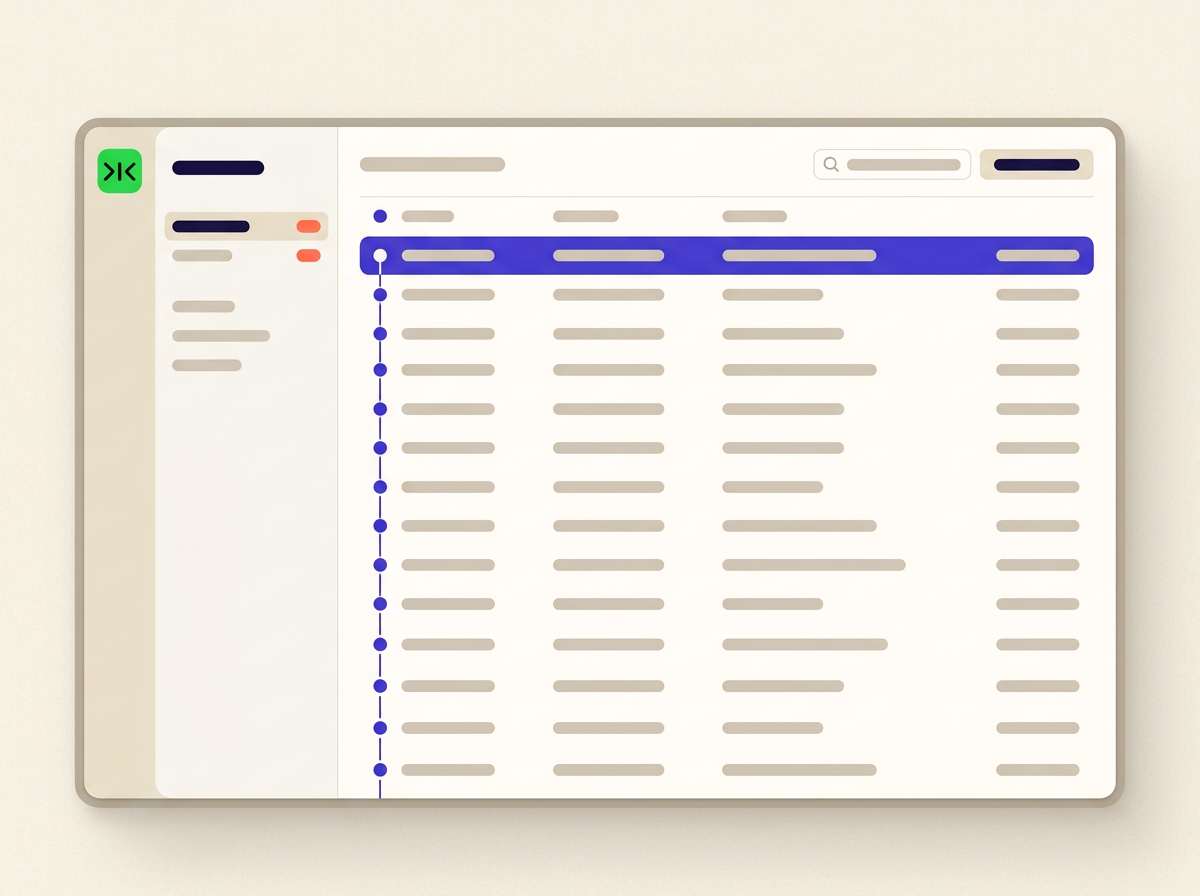
A visibility number means nothing on its own; it means something on the fortieth Monday. Sai reruns the identical prompt set unattended and writes each week beside the last, so the line is readable without anyone re-running anything.
Each row keeps the full answer text and every link the engine cited. When a mention disappears, you can open the run and see the page that took the citation slot — not just a score that went down.
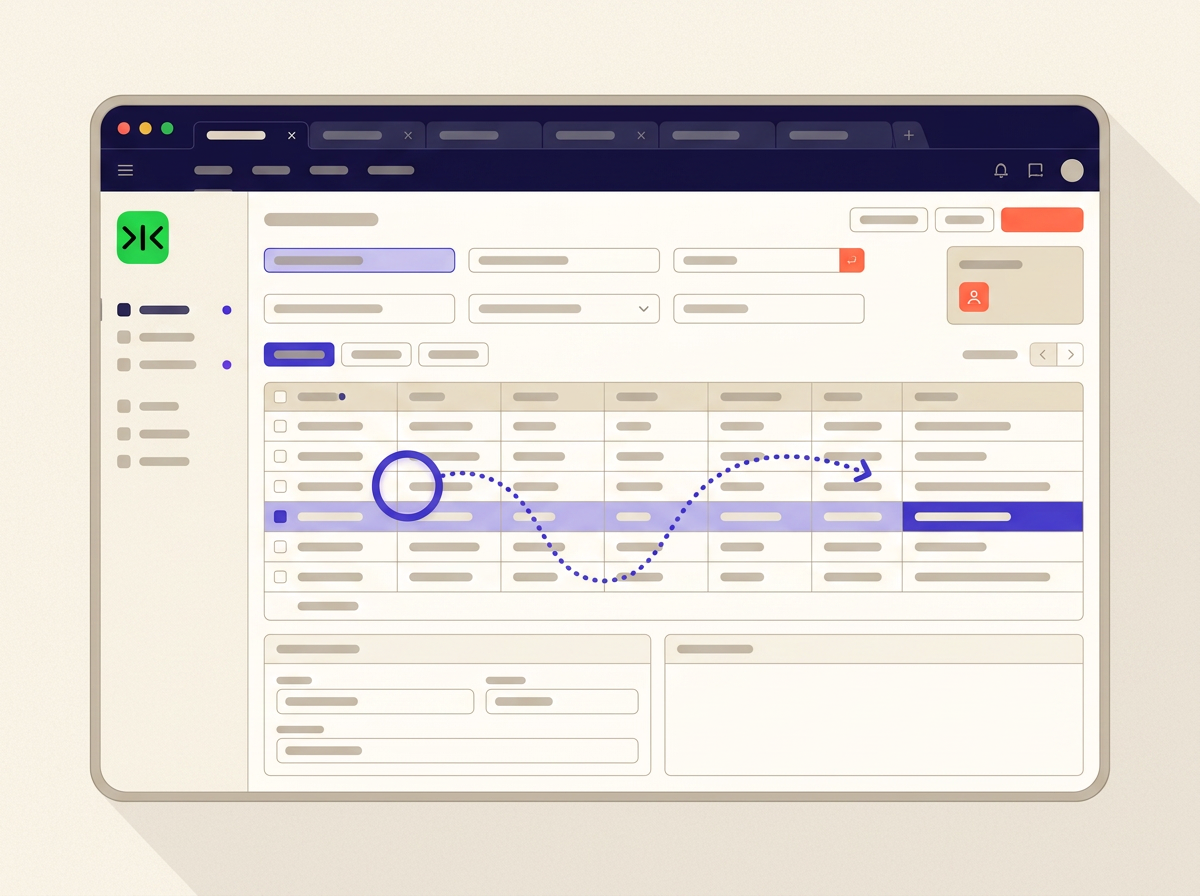
AI brand visibility tracking is the repeated measurement of whether a brand appears in the answers that AI engines generate for a fixed set of buyer questions. Each run records the mention, its position in the answer, the rival brands named alongside it, and the sources the answer cited. It is a trend measurement, not a one-off audit.
Search rankings gave you ten positions and a click. An AI answer gives you one paragraph, three or four named brands, and a short citation list. There is no page two to be on. A brand that is not in the paragraph is not in the consideration set, and nothing about that is visible in a rankings report.
To track brand visibility in AI search, fix a set of ten to twenty questions a real buyer would type, choose the engines your market uses — ChatGPT, Perplexity, Google AI Mode, Copilot, Gemini — and run the identical set on the same weekday each week from a signed-in session, recording five fields per run.
Those five fields are: mentioned or not, position in the answer, co-mentioned brands, cited sources, and the full answer text. The discipline is in leaving the prompts alone. A visibility figure is only readable as a series, and rewriting the questions between runs quietly resets the baseline.
AI visibility trackers disagree with the screen because they query a different surface. The model endpoint behind an API is not the signed-in product: it has no memory, no connectors, no live retrieval layer, no account context. In measured comparisons the two agree on roughly 4% of cited source links and 24% of brand mentions.
That gap is not sampling noise to be averaged out — it is the measurement. A tool reporting a 40% mention rate from API sampling is describing a surface no
customer visits. The figure is internally consistent and externally meaningless,
which is the worst combination to put in a board deck.
These tools stop at the login screen because they are built on APIs, and the answer surfaces that matter increasingly do not expose one. Profound, Peec AI, Scrunch AI, Otterly and the AI modules inside Semrush and Ahrefs all sample programmatically; none of them can sit inside a signed-in ChatGPT session with memory and connectors switched on.
Sai has no API dependency. It drives a browser the way a person does — opens the engine, signs in with your credentials, types the prompt, waits for the answer to finish, and reads what rendered. If a person can click it, Sai can run it. That is why the same instruction covers an engine that ships an API and one that never will.
Skip it if you need one snapshot for next month's board slide — an analyst with a browser and an afternoon will produce something better than any tracking setup. Skip it too if every engine you care about exposes a stable public API and you already have engineers maintaining that integration.
It earns its place when the same twenty questions have to be asked across five engines every week for a year, and when someone has to be able to explain where a number came from. Measuring once is a task. Still measuring in month twelve is the job — Sai is built for run #100, not run #1.
Free your hands from the computer.
Try Sai